Category: Corporate Law

  • Tips for Ensuring the Conveyancing Lawyer You Choose Has the Necessary Experience 

    Tips for Ensuring the Conveyancing Lawyer You Choose Has the Necessary Experience 

    Navigating the complexities of property transactions can be stressful, making it important to hire the right conveyancing lawyers in Melbourne. Whether you’re buying or selling property, an experienced conveyancer ensures the process runs smoothly, avoiding costly mistakes. But how do you determine if a lawyer has the expertise needed? Below are some key factors to consider when selecting a conveyancing professional who can confidently handle your transaction. 

    Look for Industry-Specific Experience 

    Not all legal professionals have the same level of experience in conveyancing. Some may practice general law, while others will have specific expertise in property transactions. When choosing a lawyer, ask how many years they’ve been practicing conveyancing specifically. Melbourne’s property market has its own unique regulations and trends, so it’s beneficial to find someone who has handled transactions in the local area. A lawyer who is familiar with local councils, zoning laws and stamp duty requirements will be better equipped to navigate potential hurdles. 

    Assess Their Track Record with Similar Properties 

    If you’re purchasing a unit in a high-rise development, the legal requirements will differ from those involved in buying a standalone house or rural property. Experienced conveyancing lawyers in Melbourne should have a proven track record of handling properties similar to yours. Ask for examples of past transactions they’ve managed and whether they’ve encountered and resolved complex issues. This will give you confidence that they can handle any unforeseen complications that may arise during your property transaction. 

    Ask About Their Approach to Risk Management 

    Property transactions can involve hidden risks, from undisclosed encumbrances to unexpected contract clauses. Experienced conveyancing lawyers in Melbourne will proactively identify and mitigate these risks before they become costly issues. Ask your lawyer how they conduct due diligence, such as checking for caveats, zoning restrictions and potential legal disputes. A skilled conveyancer will not only review contracts carefully, but also explain any legal jargon so you fully understand the implications of your purchase or sale. 

    Read Client Reviews & Testimonials 

    One of the best ways to gauge a lawyer’s expertise is by reading reviews from their previous clients. Look for feedback on social media or their website, paying attention to any comments about their professionalism, problem-solving abilities and how well they handle challenging situations. If multiple clients praise their efficiency and attention to detail, you can be more confident in their capability. 

    Compare Pricing & Fee Structures 

    While cost shouldn’t be the only factor in your decision, it’s important to understand a lawyer’s fee structure. Some conveyancing lawyers in Melbourne charge a fixed fee, while others bill by the hour. Make sure you get a clear breakdown of costs, including any additional charges for searches, disbursements or unexpected legal issues. Be wary of quotes that seem too low, as this could indicate inexperience or hidden fees that emerge later in the process.

    Trust Your Instincts 

    It’s important to trust your intuition when choosing a conveyancing lawyer. After speaking with them, do you feel confident in their ability? Do they demonstrate a thorough understanding of the legalities involved in your transaction? A knowledgeable and experienced lawyer will give you peace of mind throughout the entire process. 

  • How Corporate Law Influences Corporate Social Responsibility and Ethics

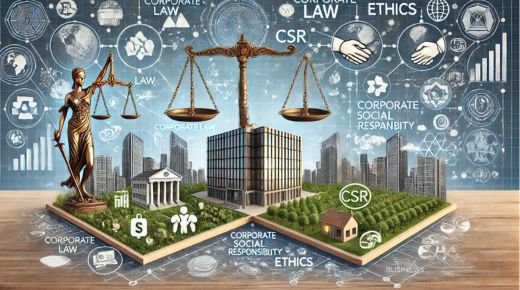
    How Corporate Law Influences Corporate Social Responsibility and Ethics

    In today’s global business environment, Corporate Social Responsibility (CSR) and ethics have become central to the way companies operate. The interplay between corporate law, CSR, and ethical practices is complex, yet crucial for the sustainable development of organizations. Understanding how corporate law influences these aspects provides valuable insight into the broader implications for businesses and society.

    Understanding Corporate Law

    Corporate law, also known as company law, encompasses the legal rules and regulations that govern the formation, operation, and dissolution of corporations. It outlines the rights and responsibilities of corporations, their directors, shareholders, and other stakeholders. Corporate law ensures that companies operate in a manner that is fair, transparent, and accountable.

    Key areas of corporate law include:

    1. Corporate Governance: Defines the structures and processes for the direction and control of companies, including the roles of the board of directors and executive management.
    2. Compliance: Covers adherence to statutory regulations and industry standards to prevent legal infractions.
    3. Disclosure and Reporting: Mandates transparency in financial and operational reporting to stakeholders.
    4. Shareholder Rights: Protects the interests of shareholders and ensures equitable treatment.

    Corporate Social Responsibility (CSR)

    Corporate Social Responsibility refers to the ethical obligation of companies to contribute positively to society while conducting their business activities. CSR encompasses a wide range of practices, including environmental sustainability, community engagement, fair labor practices, and ethical sourcing.

    CSR initiatives often include:

    • Environmental Protection: Reducing carbon footprints, managing waste, and conserving resources.
    • Social Equity: Promoting diversity and inclusion, supporting local communities, and engaging in charitable activities.
    • Ethical Labor Practices: Ensuring fair wages, safe working conditions, and respect for human rights.
    • Responsible Governance: Adopting transparent business practices and preventing corruption.

    The Intersection of Corporate Law and CSR

    Corporate law plays a significant role in shaping CSR practices. Here’s how corporate law influences CSR and ethics:

    1. Regulatory Framework

    Corporate law establishes the regulatory framework within which companies must operate. This includes laws related to environmental protection, labor rights, and anti-corruption. Compliance with these laws is fundamental to CSR, as they set the minimum standards for ethical behavior.

    For example, environmental regulations may require companies to implement waste management practices or reduce emissions, aligning with CSR goals of environmental sustainability. Labor laws ensure fair treatment of employees, supporting CSR’s focus on ethical labor practices.

    2. Corporate Governance

    Effective corporate governance, as mandated by corporate law, promotes transparency, accountability, and ethical decision-making. Governance structures, such as boards of directors and audit committees, play a crucial role in overseeing CSR initiatives and ensuring they align with the company’s strategic objectives.

    Good corporate governance practices encourage companies to adopt and implement robust CSR policies. These practices ensure that CSR efforts are not only well-intentioned but also strategically integrated into the company’s operations.

    3. Disclosure and Transparency

    Corporate law often requires companies to disclose information about their financial performance and operational practices. This transparency is essential for CSR, as it allows stakeholders to assess a company’s commitment to ethical practices and social responsibility.

    Companies that are transparent about their CSR initiatives, including their successes and challenges, build trust with stakeholders. This openness helps in validating their commitment to ethical practices and fosters a positive corporate reputation.

    4. Legal Liability and Accountability

    Corporate law holds companies accountable for their actions through legal liabilities and penalties for non-compliance. This accountability influences CSR by encouraging companies to adhere to ethical standards and avoid practices that could lead to legal repercussions.

    For instance, companies may face legal consequences for engaging in fraudulent activities or violating environmental regulations. Such risks incentivize businesses to integrate CSR into their core operations to mitigate potential legal issues.

    Ethics and Corporate Law

    Ethics, though distinct from law, is closely related to corporate law. While laws set the minimum standards for acceptable behavior, ethics guide companies toward higher standards of conduct. Corporate law provides the framework within which ethical practices are developed and implemented.

    1. Ethical Decision-Making

    Corporate law influences ethical decision-making by establishing guidelines for corporate conduct. Legal requirements, such as anti-bribery laws and conflict-of-interest policies, shape the ethical standards that companies must follow.

    Ethical decision-making goes beyond legal compliance, involving considerations of fairness, integrity, and respect for stakeholders. Companies that embrace ethical decision-making are more likely to integrate CSR into their business models and foster a culture of responsibility.

    2. Stakeholder Interests

    Corporate law recognizes the interests of various stakeholders, including shareholders, employees, customers, and the community. Ethical practices align with the legal duty to consider stakeholder interests and promote the well-being of all parties involved.

    CSR initiatives often reflect a company’s commitment to balancing stakeholder interests. By addressing social and environmental concerns, companies demonstrate their dedication to ethical practices and corporate responsibility.

    3. Reputation Management

    The intersection of corporate law and ethics also affects a company’s reputation. Companies that adhere to legal requirements and ethical standards are more likely to earn a positive reputation among stakeholders.

    A strong reputation for ethical conduct and social responsibility enhances customer loyalty, attracts investors, and fosters employee satisfaction. This positive reputation contributes to long-term business success and sustainability.

    Challenges and Future Directions

    Despite the clear link between corporate law, CSR, and ethics, several challenges remain:

    1. Regulatory Complexity: Navigating the complex landscape of corporate regulations can be challenging for companies, especially those operating in multiple jurisdictions.
    2. Enforcement: Ensuring compliance with CSR-related regulations requires effective enforcement mechanisms and monitoring.
    3. Evolving Standards: As societal expectations and legal requirements evolve, companies must continuously adapt their CSR practices and ethical standards.

    Looking ahead, the future of CSR and ethics in corporate law may involve:

    • Strengthened Regulations: Governments and regulatory bodies may introduce more stringent laws and standards to promote CSR and ethical practices.
    • Increased Transparency: Enhanced disclosure requirements may lead to greater transparency and accountability in corporate practices.
    • Global Collaboration: International efforts to harmonize CSR standards and ethical guidelines could facilitate more consistent practices across borders.

    Conclusion

    Corporate law plays a pivotal role in shaping CSR and ethical practices within organizations. By providing a regulatory framework, promoting good governance, ensuring transparency, and holding companies accountable, corporate law influences how businesses approach their social responsibilities and ethical obligations.

    As the business environment continues to evolve, the interplay between corporate law, CSR, and ethics will remain a critical factor in determining the success and sustainability of organizations. Companies that embrace these principles and integrate them into their core operations will not only meet legal requirements but also contribute positively to society and build lasting stakeholder trust.

  • 8 Questions Entrepreneurs Ask About Venture Capital Agreements

    What does a venture capital agreement generally entail?

    What entrepreneurs want to know about venture capital agreements

    There are three critical areas of venture capital agreements that involve the kind of investment-whether it’s equity or convertible notes, how much the company is worth, and what the rights of investors are.

    What’s the difference between preferred stock and common stock?

    Investors usually receive preferred stock with certain rights such as liquidation preferences, whereas entrepreneurs and employees typically have common stock. Entrepreneurs often ask about the implications of each type of stock.

    What are liquidation preferences, and how do they work?

    Entrepreneurs are often concerned about liquidation preferences, which determine the order and amount of payouts in case of an exit (e.g., acquisition, IPO). They want to understand how these preferences affect their potential returns.

    What control rights do venture capitalists have in the company?

    VCS may seek board seats, voting rights, and veto power on critical decisions. Entrepreneur wants to know how much they would be losing and what kinds of decisions will be taken subject to approval.

    Read Also:

    How is founder stock vested and why is that so?

    It’s also common in venture agreements to include a vesting schedule for founder stock, which means that founders earn their shares over time. This is another thing an entrepreneur may be curious about how it impacts the ability to leave the company or sell their shares.

    What are anti-dilution provisions and how do they impact me as a founder?

    Anti-dilution provisions protect investors from dilution in future funding rounds, but they can be unfavorable to founders. Entrepreneurs may ask how these provisions are structured and how they might affect their ownership stake.

    What happens if my startup doesn’t meet its performance milestones?

    This time, venture capitalists may set milestone requirements that should be met if the startup seeks additional funding. Otherwise, such a startup incurs penalties and loses some interest. Entrepreneurs may request what happens when they fail to meet these set expectations.

    How are the exit strategies going to affect me, the founder?

    Entrepreneurs are concerned about how the VC agreement impacts potential exit strategies, such as an acquisition or IPO, and how the timing and terms of these exits will affect their compensation and control over the company.

  • 5 Commonly Asked Questions About Directors’ Responsibilities

    1. What are the major responsibilities of a company director?

    A company director has several distinct responsibilities that would include:

    Fiduciary Duty: Acting in the best interests of the company and its shareholders.

    Duty of Care: Exercising reasonable care, skill, and diligence in their decision-making.

    Compliance: Ensuring that the company will comply with all applicable laws, regulations, and its constitution.

    Financial Oversight: Superintending over the financial reporting and keeping the company afloat.

    2. Can directors be held personally liable for company decisions?

    Yes, there are circumstances in which directors may be held personally liable, for example:

    Failure to observe fiduciary duties.

    Trading while the company is insolvent.

    Failure to observe statutory requirements, such as failing to file accurate financial reports.

    However, liability is usually restricted if the directors act within their authority and in good faith.

    Read Also:

    3. What is the distinction between executive and non-executive directors?

    Executive Directors: Involved in the day-to-day management and operations of the company.

    Non-Executive Directors: Provide independent oversight and contribute to strategic decision-making without engaging in the daily operations.

    4. What are the implications of breach of directors’ duties?

    Severe consequences will result from the breach, such as:

    Fines or penalties

    Disqualification to serve as a director

    Personal liability of the company debts

    Damage to personal and professional reputation

    5. How do directors comply with their duties?

    Directors comply through:

    Regular reviewing of the policies and practices of the company

    Seeking professional advice when required.

    Maintaining records of all decisions with reasoning.

    Following relevant legal and regulatory changes.

  • 15 Key Questions About Corporate Liability

    General Understanding

    What is corporate liability?

    Understanding the concept and scope of legal responsibility for corporations.

    How does corporate liability differ from personal liability?

    Examining the distinctions between the responsibilities of individuals and the corporate entity.

    Types of Liability

    What are the different types of corporate liability (e.g., civil, criminal, environmental)?

    Identifying the primary categories and their implications.

    When can a corporation be held criminally liable?

    Exploring situations where corporate actions may constitute criminal behavior.

    Read Also:

    What is vicarious liability, and how does it apply to corporations?

    Analyzing the concept of corporations being held responsible for employee actions.

    Regulatory and Compliance Issues

    How does corporate liability relate to regulatory compliance?

    Understanding obligations to meet legal and industry standards.

    What are the penalties for non-compliance with corporate regulations?

    Discussing fines, sanctions, or other consequences.

    Directors and Officers

    Can corporate directors and officers be held personally liable?

    Examining cases where personal accountability applies.

    What is the role of indemnification in protecting directors and officers?

    Looking at strategies to mitigate risks for individuals in leadership roles.

    Legal and Ethical Considerations

    How do corporate liability issues affect corporate social responsibility (CSR)?

    Exploring the interplay between liability and ethical practices.

    What defenses can a corporation raise against liability claims?

    Identifying potential legal strategies.

    Financial Implications

    What is the impact of corporate liability on a company’s financial stability?

    Assessing risks related to lawsuits, fines, and settlements.

    How does liability insurance help corporations manage risks?

    Understanding coverage options and benefits.

    International Considerations

    How does corporate liability vary across jurisdictions?

    Highlighting differences in laws and enforcement globally.

    What are the challenges of addressing corporate liability in multinational corporations?

    Addressing jurisdictional conflicts and regulatory complexity.

  • 10 Questions Answered About Corporate Compliance

    1. What is corporate compliance?

    Corporate compliance refers to the efforts a company makes to ensure that it operates within the bounds of applicable laws, regulations, and ethical standards. It includes policies, procedures, and practices to prevent violations and promote accountability.

    2. Why is corporate compliance important?

    Corporate compliance is important because it helps reduce legal risks, prevents financial penalties, and protects a company’s reputation. It also fosters trust among employees, customers, and stakeholders.

    3. What are the key elements of a corporate compliance program?

    Policies and procedures: Written guidelines on compliance.

    Training and education: Periodic training for employees and management.

    Monitoring and auditing: Ongoing evaluation to ensure compliance.

    Reporting systems: Channels for reporting by employees, such as hotlines.

    Enforcement: Severe consequences of non-compliance.

    Read Also:

    4. What are the consequences of non-compliance?

    Consequences include fines, legal actions, loss of licenses, damaged reputation, and, in extreme cases, criminal charges against the executives or the company.

    5. Who is responsible for corporate compliance?

    The Chief Compliance Officer (CCO) usually manages the program, but responsibility also rests with the executives, managers, and employees who are expected to enforce the compliance policies within their respective functions.

    6. How can a company promote a compliance culture?

    Leadership commitment to ethical behavior.

    Good training and communication.

    Clearly transparent enforcement of policies and procedures.

    Promoting employee feedback and reporting.

    7. What industries need a structured compliance program?

    Healthcare, finance, manufacturing, and technology are heavily regulated industries requiring a robust compliance program to comply with industry-specific laws and standards.

    8. How does technology influence corporate compliance?

    Technological resources streamline the effortful process of compliance through monitoring and reporting tools, training and risk management. Some examples include compliance software, automated reporting systems, and AI-based monitoring tools.

    9. What is the role of training in compliance?

    Training ensures employees understand their roles and responsibilities, as well as the laws, regulations, and company policies governing them. Training reduces the likelihood of unintentional violations and generally makes compliance programs more effective.

    10. How often should a compliance program be reviewed?

    A compliance program should be reviewed regularly, at least annually or upon significant regulatory change, to ensure it remains current and effective to address new risks.