Blog

  • Understanding Child Support Laws: A Comprehensive Guide for Parents

    Understanding Child Support Laws: A Comprehensive Guide for Parents

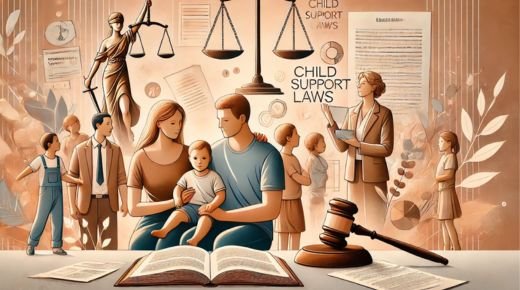
    Navigating the complexities of child support laws can be challenging for any parent. Understanding these laws is crucial for ensuring that the financial needs of your child are met, while also balancing the responsibilities and rights of both parents. This comprehensive guide aims to shed light on the intricacies of child support laws, helping you make informed decisions and foster a positive environment for your child’s growth and development.

    1. What Is Child Support?

    Child support is a legal obligation imposed on a non-custodial parent to provide financial assistance to the custodial parent for the upbringing and care of their child. This support ensures that the child’s needs, such as food, shelter, education, and healthcare, are adequately met. Child support is typically determined based on a formula that considers various factors, including the income of both parents, the child’s needs, and the custody arrangement.

    2. Determining Child Support Amount

    The amount of child support a parent must pay is usually determined by state-specific guidelines or formulas. These guidelines take into account:

    • Income of Both Parents: The financial resources of both parents are assessed to determine their ability to contribute to child support.
    • Child’s Needs: This includes basic necessities like food, clothing, and medical care, as well as any special needs the child might have.
    • Custody Arrangement: The amount of time the child spends with each parent can influence the support amount. Typically, the more time a child spends with a non-custodial parent, the lower their child support obligations may be.

    3. How Child Support Is Calculated

    Each state has its own formula for calculating child support, but they generally follow a similar approach:

    • Income Shares Model: This model calculates child support based on the combined income of both parents, aiming to provide the same standard of living for the child as if the parents were living together.
    • Percentage of Income Model: This method uses a percentage of the non-custodial parent’s income to determine the amount of child support.
    • Melson Formula: An extension of the income shares model, this formula considers the basic needs of both the parents and the child to ensure fairness in the support amount.

    It’s important to note that while these formulas provide a starting point, judges have the discretion to adjust the amount based on individual circumstances.

    4. Modifying Child Support Orders

    Child support orders are not set in stone. Either parent can request a modification if there is a significant change in circumstances. Common reasons for modification include:

    • Change in Income: A significant increase or decrease in either parent’s income can impact the support amount.
    • Changes in Custody: If the custody arrangement changes, the child support amount may need to be adjusted accordingly.
    • Additional Needs: If the child’s needs change, such as requiring special education or medical care, the support amount may be modified.

    To request a modification, parents typically need to file a petition with the court and provide evidence supporting their request.

    5. Enforcing Child Support Payments

    Ensuring that child support payments are made on time is essential for the child’s well-being. If a parent fails to comply with their support obligations, there are several enforcement mechanisms available:

    • Wage Garnishment: The court can order that child support payments be deducted directly from the non-custodial parent’s paycheck.
    • Intercepting Tax Refunds: In some cases, the government can intercept federal or state tax refunds to cover overdue child support payments.
    • Contempt of Court: If a parent repeatedly fails to pay child support, they may be held in contempt of court, which can result in penalties such as fines or imprisonment.

    6. Common Misconceptions About Child Support

    There are several misconceptions about child support that can lead to confusion:

    • Child Support Is Not Alimony: Child support is intended solely for the child’s needs, while alimony is financial support provided to a former spouse.
    • Child Support Doesn’t End When the Child Turns 18: In many cases, child support obligations continue until the child reaches adulthood, graduates from high school, or becomes self-sufficient, depending on state laws.
    • Both Parents Are Responsible: Both parents are legally obligated to contribute to their child’s upbringing, regardless of the custody arrangement.

    7. Seeking Legal Assistance

    Navigating child support laws can be complex, and seeking legal assistance can be beneficial. An experienced family law attorney can help you understand your rights and obligations, assist in calculating the appropriate support amount, and represent you in court if necessary. Legal professionals can also provide guidance on modifying or enforcing child support orders.

    8. Tips for Parents

    To ensure a smooth child support process, consider the following tips:

    • Maintain Open Communication: Open and honest communication between parents can help resolve issues related to child support and foster a cooperative co-parenting relationship.
    • Keep Detailed Records: Maintain accurate records of all child support payments and related expenses to avoid disputes and provide evidence if needed.
    • Understand Your Rights: Familiarize yourself with your state’s child support laws and guidelines to better understand your responsibilities and entitlements.

    9. Resources for Parents

    Several resources are available to help parents navigate child support laws:

    • State Child Support Agencies: Most states have agencies that provide information and assistance with child support matters.
    • Online Calculators: Some states offer online calculators to estimate child support amounts based on income and other factors.
    • Family Law Attorneys: Consulting with a family law attorney can provide personalized guidance and support throughout the child support process.

    10. Conclusion

    Understanding child support laws is essential for ensuring that your child’s financial needs are met while maintaining a fair and equitable arrangement between both parents. By familiarizing yourself with the basics of child support calculations, modifications, enforcement, and common misconceptions, you can navigate the legal landscape with confidence. Remember, seeking professional legal assistance can provide valuable support and help you make informed decisions in the best interest of your child.

    By staying informed and proactive, you can help create a stable and supportive environment for your child, ensuring their well-being and financial security.

  • Common Misconceptions About Criminal Law and Justice

    Common Misconceptions About Criminal Law and Justice

    Criminal law is a complex and often misunderstood field. Many people form opinions based on media portrayals or general misconceptions rather than the nuances of the actual legal system. This article aims to clarify some common misconceptions about criminal law and justice, shedding light on how the system truly operates.

    1. Misconception: All Criminal Defense Attorneys Are Only Interested in Winning Cases

    One prevalent misconception is that criminal defense attorneys are solely focused on winning cases, regardless of the defendant’s guilt or innocence. In reality, criminal defense lawyers are committed to ensuring that their clients receive a fair trial and that their legal rights are protected. The role of a defense attorney is to ensure that the prosecution meets its burden of proof and that the client is given a fair chance to present their case. While it might seem that defense attorneys are defending those who may be guilty, their primary duty is to uphold the justice system’s integrity and ensure that the legal process is followed correctly.

    2. Misconception: The Innocent Are Always Exonerated

    Many believe that if someone is innocent, they will automatically be exonerated. However, the legal system is not infallible. Mistakes can and do happen, and innocent individuals can sometimes be convicted due to various factors, such as flawed evidence, wrongful identification, or prosecutorial errors. The appeals process and post-conviction reviews are designed to correct such mistakes, but they are not foolproof. It is a reminder of the importance of vigilance and rigorous legal practices to minimize wrongful convictions.

    3. Misconception: Criminal Cases Are Always Straightforward

    Another common misconception is that criminal cases are straightforward and easily resolved. In reality, criminal cases can be incredibly complex, involving intricate legal arguments, detailed evidence, and numerous procedural requirements. Factors such as the nature of the crime, the quality of the evidence, and the specifics of the jurisdiction can all impact the complexity of a case. Legal professionals must navigate these complexities to achieve a fair and just outcome.

    4. Misconception: Plea Deals Are Always a Bad Idea

    Plea deals, or plea bargains, often receive negative attention, with many believing that accepting a plea deal means admitting guilt or getting a raw deal. However, plea deals can be a strategic decision in many cases. They can offer a lighter sentence or lesser charges than if the case were to go to trial, where the outcome is uncertain. For defendants, especially those facing overwhelming evidence, a plea deal might be a practical way to avoid harsher penalties or prolonged legal battles. Understanding the benefits and risks of plea deals is crucial for anyone involved in a criminal case.

    5. Misconception: The Prosecution and Defense Have Equal Resources

    A common belief is that the prosecution and defense have equal resources and access to evidence. In practice, the prosecution often has significant advantages, including access to extensive investigative resources and the power to compel witness testimony through subpoenas. The defense, particularly in cases involving public defenders or limited resources, may not always have the same level of access or resources. This disparity can impact the fairness of the legal process, highlighting the importance of ensuring that all defendants have adequate representation.

    6. Misconception: The Court System Is Designed to Punish

    Some people view the criminal justice system primarily as a means of punishment. While punishment is a component, the system’s broader goals include rehabilitation, deterrence, and the protection of society. Sentencing and other legal outcomes aim to balance the needs of justice with the potential for rehabilitation. For instance, many jurisdictions offer diversion programs, counseling, and other rehabilitative measures designed to address the root causes of criminal behavior and reduce recidivism.

    7. Misconception: A High-Profile Case Guarantees a Fair Trial

    The media often sensationalizes high-profile criminal cases, leading to the misconception that such cases are automatically handled with fairness and justice. In reality, high-profile cases can be fraught with additional challenges, such as media bias, public opinion pressures, and the potential for jury prejudice. The legal system strives to ensure fairness, but high-profile cases can introduce unique complexities that affect how justice is administered.

    8. Misconception: Once Convicted, an Individual Has No Chance for Relief

    Many believe that once a person is convicted, there is no chance for relief or reconsideration. While the initial conviction represents a legal determination, there are avenues for appeal and post-conviction relief. These mechanisms allow for the review of legal errors, new evidence, or other factors that might impact the fairness of the conviction. While the process can be challenging, it provides a crucial opportunity to address potential injustices.

    9. Misconception: The Judge and Jury Always Follow the Law Precisely

    Another misconception is that judges and juries always follow the law precisely. While judges are tasked with interpreting and applying the law, and juries are expected to base their decisions on evidence and instructions, human factors can influence their decisions. Bias, misunderstanding, or personal beliefs can sometimes affect how the law is applied in practice. This underscores the importance of having a well-trained legal team to guide and support individuals through the judicial process.

    10. Misconception: The Legal System is Perfectly Just

    Finally, some believe that the legal system is perfect and that justice is always served. While the legal system strives to be just and fair, it is a human institution susceptible to flaws and errors. Systemic issues, biases, and limitations can impact how justice is administered. Continuous efforts to reform and improve the legal system are essential to addressing these imperfections and ensuring that justice is more consistently served.

    Conclusion

    Criminal law and justice are intricate fields filled with nuances that are often misunderstood. Addressing these misconceptions helps to foster a more accurate understanding of how the legal system operates and highlights the importance of ongoing vigilance and reform. By recognizing the complexities and challenges inherent in criminal law, individuals can better appreciate the role of legal professionals and the need for a fair and effective justice system.

    Understanding these common misconceptions can also empower individuals to make informed decisions and engage more constructively with the legal system. Whether you are directly involved in a legal matter or simply seeking to understand how criminal justice works, having a clear and accurate view of these issues is essential for navigating the complexities of criminal law.

  • Constitutional Law and Its Impact on Contemporary Legal Challenges

    Constitutional Law and Its Impact on Contemporary Legal Challenges

    Constitutional law forms the bedrock of a nation’s legal framework, serving as the supreme law that governs the relationship between the state and its citizens. It establishes the structure of government, delineates powers, and protects fundamental rights. Understanding constitutional law is essential for navigating contemporary legal challenges. This article explores the key aspects of constitutional law and its profound impact on modern legal issues, shedding light on how constitutional principles shape and influence various facets of society.

    The Fundamentals of Constitutional Law

    Definition and Scope

    Constitutional law encompasses the body of rules and principles that define the structure of a nation’s government, the powers and responsibilities of its various branches, and the rights and freedoms of individuals. It provides the legal foundation for the functioning of the government and ensures that all laws and actions comply with the constitution.

    Historical Evolution

    The evolution of constitutional law reflects the dynamic nature of societies. From the Magna Carta in 1215 to the U.S. Constitution of 1787, and more recent amendments and judicial interpretations, constitutional law has continually adapted to address new societal and legal challenges. This historical progression underscores the adaptability of constitutional principles in the face of changing contexts.

    Constitutional Law and Individual Rights

    Fundamental Rights

    A cornerstone of constitutional law is the protection of individual rights. Constitutions often enshrine fundamental rights such as freedom of speech, freedom of religion, the right to a fair trial, and protection against unreasonable searches and seizures. These rights are crucial for ensuring justice and safeguarding democratic principles.

    Judicial Review

    Judicial review is a mechanism through which courts evaluate the constitutionality of laws and government actions. This process allows the judiciary to uphold constitutional principles and protect individual rights against potential encroachments. Landmark cases, such as Brown v. Board of Education in the U.S., have demonstrated the significant role of judicial review in advancing civil rights and equality.

    Contemporary Legal Challenges

    Privacy and Surveillance

    In the digital age, privacy concerns have become a pressing issue. The advent of surveillance technologies and data collection practices raises questions about the balance between national security and individual privacy. Constitutional law plays a crucial role in addressing these challenges by setting boundaries for governmental surveillance and protecting personal data.

    For instance, the Fourth Amendment of the U.S. Constitution safeguards against unreasonable searches and seizures, and recent legal debates have explored how this amendment applies to modern technologies such as smartphones and online communications. Courts are increasingly tasked with interpreting constitutional protections in light of technological advancements.

    Freedom of Speech and Expression

    Freedom of speech is a fundamental right guaranteed by many constitutions. However, the limits of this freedom are frequently tested in contemporary society. Issues such as hate speech, misinformation, and the role of social media platforms in regulating content present complex legal challenges.

    Constitutional law must navigate these issues by balancing the protection of free expression with the need to prevent harm and uphold public order. Recent cases have highlighted the evolving nature of speech-related jurisprudence and the necessity for nuanced interpretations of constitutional guarantees.

    Equality and Discrimination

    Equality before the law is a central tenet of constitutional law. However, contemporary legal challenges related to discrimination and inequality continue to arise. Issues such as gender discrimination, racial inequality, and LGBTQ+ rights often come before the courts, where constitutional principles are used to address and rectify injustices.

    The legal system’s response to these challenges reflects the ongoing efforts to ensure that constitutional guarantees of equality are realized in practice. Landmark rulings have played a pivotal role in advancing civil rights and promoting social justice.

    Environmental Protection

    The intersection of constitutional law and environmental protection is an emerging area of legal focus. As environmental concerns become increasingly urgent, constitutional principles are being invoked to address issues such as climate change, pollution, and natural resource conservation.

    In some jurisdictions, constitutional provisions explicitly recognize environmental rights or mandate government action to protect the environment. Legal challenges related to environmental policies and regulations often involve constitutional questions about the balance of powers and the protection of public health and welfare.

    The Role of Constitutional Law in Shaping Policy

    Legislative and Executive Powers

    Constitutional law delineates the powers of the legislative and executive branches of government. This separation of powers is essential for preventing abuse and ensuring that each branch operates within its constitutional limits. Disputes between branches or challenges to executive actions often involve constitutional questions about authority and compliance with legal standards.

    Federalism and States’ Rights

    In federal systems, constitutional law addresses the distribution of powers between national and state governments. Issues related to federalism and states’ rights frequently arise in areas such as immigration, education, and healthcare. Constitutional provisions and judicial interpretations help define the boundaries of authority and ensure a balanced distribution of powers.

    International Influences

    Globalization and international agreements also impact constitutional law. Treaties and international norms can influence domestic legal standards, leading to questions about the interplay between international and constitutional law. Courts and legislatures must navigate these complexities to reconcile domestic and international legal obligations.

    Conclusion

    Constitutional law remains a dynamic and influential force in addressing contemporary legal challenges. Its foundational principles provide a framework for protecting individual rights, balancing governmental powers, and navigating evolving issues in privacy, freedom of expression, equality, and environmental protection. As societies continue to evolve, constitutional law will play a critical role in shaping and guiding legal responses to new challenges, ensuring that the principles of justice and democracy remain at the forefront of legal discourse. Understanding and engaging with constitutional law is essential for anyone seeking to comprehend and influence the legal landscape of today and tomorrow.

  • The Evolution of Civil Law – Historical Perspectives and Modern Applications

    The Evolution of Civil Law – Historical Perspectives and Modern Applications

    Civil law is a cornerstone of modern legal systems, governing private rights and responsibilities between individuals. Its evolution has been marked by significant historical milestones and adaptations to contemporary needs. This article explores the historical development of civil law and its modern applications, highlighting how past legal principles shape today’s legal practices.

    Historical Perspectives on Civil Law

    Civil law, as a legal system, has its roots deeply embedded in the ancient legal traditions of Rome. The Roman legal system, particularly the Corpus Juris Civilis compiled under Emperor Justinian I in the 6th century, laid the foundational framework for modern civil law. This codification aimed to systematize and consolidate legal principles, creating a comprehensive body of law that influenced various legal systems across Europe and beyond.

    1. Roman Law and Its Legacy

    Roman law’s impact on civil law cannot be overstated. The Justinian Code, which consisted of the Codex Justinianus, the Digest, the Institutes, and the Novellae, served as a model for legal codification in Europe. The principles of Roman law, such as property rights, contracts, and torts, were systematically organized and have profoundly influenced the development of modern civil law systems.

    The Roman emphasis on written law and detailed legal principles set the stage for subsequent legal developments in Europe. The revival of Roman law during the Middle Ages, particularly through the work of scholars at the University of Bologna, played a crucial role in shaping the legal traditions of many European countries.

    2. The Influence of Canon Law

    Another significant influence on civil law was canon law, the legal system of the Roman Catholic Church. Canon law introduced concepts of equity and justice that complemented and expanded upon Roman legal principles. The interaction between canon law and Roman law led to the development of legal doctrines that emphasized fairness and morality, which continue to influence modern civil law systems.

    3. The Code Napoléon and the Rise of Modern Civil Law

    The Napoleonic Code, enacted in 1804 under Napoleon Bonaparte, marked a pivotal moment in the evolution of civil law. This code, also known as the Code Civil, was a comprehensive legal document that consolidated various aspects of civil law into a single code. The Napoleonic Code introduced several key concepts, including the separation of public and private law, the protection of individual property rights, and the importance of written legal codes.

    The Code Napoléon served as a model for civil law systems in many countries, including those in Latin America, Africa, and Asia. Its influence extended beyond France, shaping legal reforms and codifications in various jurisdictions around the world.

    Modern Applications of Civil Law

    In the contemporary world, civil law continues to evolve and adapt to new societal challenges and technological advancements. Modern civil law systems reflect a blend of historical principles and innovative approaches to address the complexities of today’s legal environment.

    1. The Role of Civil Law in Protecting Individual Rights

    Modern civil law plays a crucial role in protecting individual rights and ensuring justice. Legal principles related to property, contracts, family, and torts are designed to safeguard personal freedoms and promote fair interactions between individuals. For example, contemporary civil law systems provide mechanisms for resolving disputes related to property ownership, contract breaches, and personal injury claims, ensuring that individuals can seek redress and enforce their rights.

    2. The Impact of Technology on Civil Law

    The rapid advancement of technology has introduced new challenges and opportunities for civil law. Issues related to digital privacy, intellectual property, and online contracts have become increasingly relevant. Civil law systems are continually adapting to address these challenges, incorporating new regulations and legal frameworks to protect individuals and businesses in the digital age.

    For instance, data protection laws, such as the General Data Protection Regulation (GDPR) in the European Union, exemplify how modern civil law addresses the complexities of digital privacy. These regulations establish standards for the collection, processing, and storage of personal data, ensuring that individuals’ privacy rights are respected in the digital realm.

    3. The Integration of International Standards

    In an increasingly globalized world, civil law systems are also integrating international standards and conventions. The harmonization of legal principles across borders facilitates international trade, cross-border transactions, and legal cooperation. For example, international conventions on contracts and commercial transactions, such as the United Nations Convention on Contracts for the International Sale of Goods (CISG), provide a uniform legal framework for businesses operating in multiple jurisdictions.

    The incorporation of international standards into domestic civil law systems enhances legal certainty and predictability, fostering a more cohesive global legal environment.

    4. The Role of Civil Law in Social Justice

    Modern civil law systems also play a vital role in promoting social justice and addressing inequality. Legal reforms and legislative measures aim to ensure that marginalized and vulnerable groups receive protection and equal treatment under the law. Issues related to family law, labor rights, and anti-discrimination laws reflect the ongoing efforts to create a more equitable legal system.

    For instance, contemporary family law addresses issues such as divorce, child custody, and domestic violence, providing legal mechanisms to protect individuals and promote fair outcomes in family disputes. Similarly, anti-discrimination laws aim to prevent and remedy discrimination based on race, gender, disability, and other protected characteristics, advancing social justice and equality.

    Conclusion

    The evolution of civil law reflects a rich historical legacy and ongoing adaptation to contemporary needs. From its origins in Roman law to the development of modern legal systems, civil law has undergone significant transformations, incorporating historical principles and responding to new challenges. Today, civil law continues to play a crucial role in protecting individual rights, addressing technological advancements, integrating international standards, and promoting social justice.

    As legal systems around the world continue to evolve, the historical perspectives and modern applications of civil law provide valuable insights into the development of legal principles and their impact on society. Understanding this evolution helps us appreciate the complexities of contemporary legal systems and the ongoing efforts to ensure justice and fairness in an ever-changing world.

  • How Corporate Law Influences Corporate Social Responsibility and Ethics

    How Corporate Law Influences Corporate Social Responsibility and Ethics

    In today’s global business environment, Corporate Social Responsibility (CSR) and ethics have become central to the way companies operate. The interplay between corporate law, CSR, and ethical practices is complex, yet crucial for the sustainable development of organizations. Understanding how corporate law influences these aspects provides valuable insight into the broader implications for businesses and society.

    Understanding Corporate Law

    Corporate law, also known as company law, encompasses the legal rules and regulations that govern the formation, operation, and dissolution of corporations. It outlines the rights and responsibilities of corporations, their directors, shareholders, and other stakeholders. Corporate law ensures that companies operate in a manner that is fair, transparent, and accountable.

    Key areas of corporate law include:

    1. Corporate Governance: Defines the structures and processes for the direction and control of companies, including the roles of the board of directors and executive management.
    2. Compliance: Covers adherence to statutory regulations and industry standards to prevent legal infractions.
    3. Disclosure and Reporting: Mandates transparency in financial and operational reporting to stakeholders.
    4. Shareholder Rights: Protects the interests of shareholders and ensures equitable treatment.

    Corporate Social Responsibility (CSR)

    Corporate Social Responsibility refers to the ethical obligation of companies to contribute positively to society while conducting their business activities. CSR encompasses a wide range of practices, including environmental sustainability, community engagement, fair labor practices, and ethical sourcing.

    CSR initiatives often include:

    • Environmental Protection: Reducing carbon footprints, managing waste, and conserving resources.
    • Social Equity: Promoting diversity and inclusion, supporting local communities, and engaging in charitable activities.
    • Ethical Labor Practices: Ensuring fair wages, safe working conditions, and respect for human rights.
    • Responsible Governance: Adopting transparent business practices and preventing corruption.

    The Intersection of Corporate Law and CSR

    Corporate law plays a significant role in shaping CSR practices. Here’s how corporate law influences CSR and ethics:

    1. Regulatory Framework

    Corporate law establishes the regulatory framework within which companies must operate. This includes laws related to environmental protection, labor rights, and anti-corruption. Compliance with these laws is fundamental to CSR, as they set the minimum standards for ethical behavior.

    For example, environmental regulations may require companies to implement waste management practices or reduce emissions, aligning with CSR goals of environmental sustainability. Labor laws ensure fair treatment of employees, supporting CSR’s focus on ethical labor practices.

    2. Corporate Governance

    Effective corporate governance, as mandated by corporate law, promotes transparency, accountability, and ethical decision-making. Governance structures, such as boards of directors and audit committees, play a crucial role in overseeing CSR initiatives and ensuring they align with the company’s strategic objectives.

    Good corporate governance practices encourage companies to adopt and implement robust CSR policies. These practices ensure that CSR efforts are not only well-intentioned but also strategically integrated into the company’s operations.

    3. Disclosure and Transparency

    Corporate law often requires companies to disclose information about their financial performance and operational practices. This transparency is essential for CSR, as it allows stakeholders to assess a company’s commitment to ethical practices and social responsibility.

    Companies that are transparent about their CSR initiatives, including their successes and challenges, build trust with stakeholders. This openness helps in validating their commitment to ethical practices and fosters a positive corporate reputation.

    4. Legal Liability and Accountability

    Corporate law holds companies accountable for their actions through legal liabilities and penalties for non-compliance. This accountability influences CSR by encouraging companies to adhere to ethical standards and avoid practices that could lead to legal repercussions.

    For instance, companies may face legal consequences for engaging in fraudulent activities or violating environmental regulations. Such risks incentivize businesses to integrate CSR into their core operations to mitigate potential legal issues.

    Ethics and Corporate Law

    Ethics, though distinct from law, is closely related to corporate law. While laws set the minimum standards for acceptable behavior, ethics guide companies toward higher standards of conduct. Corporate law provides the framework within which ethical practices are developed and implemented.

    1. Ethical Decision-Making

    Corporate law influences ethical decision-making by establishing guidelines for corporate conduct. Legal requirements, such as anti-bribery laws and conflict-of-interest policies, shape the ethical standards that companies must follow.

    Ethical decision-making goes beyond legal compliance, involving considerations of fairness, integrity, and respect for stakeholders. Companies that embrace ethical decision-making are more likely to integrate CSR into their business models and foster a culture of responsibility.

    2. Stakeholder Interests

    Corporate law recognizes the interests of various stakeholders, including shareholders, employees, customers, and the community. Ethical practices align with the legal duty to consider stakeholder interests and promote the well-being of all parties involved.

    CSR initiatives often reflect a company’s commitment to balancing stakeholder interests. By addressing social and environmental concerns, companies demonstrate their dedication to ethical practices and corporate responsibility.

    3. Reputation Management

    The intersection of corporate law and ethics also affects a company’s reputation. Companies that adhere to legal requirements and ethical standards are more likely to earn a positive reputation among stakeholders.

    A strong reputation for ethical conduct and social responsibility enhances customer loyalty, attracts investors, and fosters employee satisfaction. This positive reputation contributes to long-term business success and sustainability.

    Challenges and Future Directions

    Despite the clear link between corporate law, CSR, and ethics, several challenges remain:

    1. Regulatory Complexity: Navigating the complex landscape of corporate regulations can be challenging for companies, especially those operating in multiple jurisdictions.
    2. Enforcement: Ensuring compliance with CSR-related regulations requires effective enforcement mechanisms and monitoring.
    3. Evolving Standards: As societal expectations and legal requirements evolve, companies must continuously adapt their CSR practices and ethical standards.

    Looking ahead, the future of CSR and ethics in corporate law may involve:

    • Strengthened Regulations: Governments and regulatory bodies may introduce more stringent laws and standards to promote CSR and ethical practices.
    • Increased Transparency: Enhanced disclosure requirements may lead to greater transparency and accountability in corporate practices.
    • Global Collaboration: International efforts to harmonize CSR standards and ethical guidelines could facilitate more consistent practices across borders.

    Conclusion

    Corporate law plays a pivotal role in shaping CSR and ethical practices within organizations. By providing a regulatory framework, promoting good governance, ensuring transparency, and holding companies accountable, corporate law influences how businesses approach their social responsibilities and ethical obligations.

    As the business environment continues to evolve, the interplay between corporate law, CSR, and ethics will remain a critical factor in determining the success and sustainability of organizations. Companies that embrace these principles and integrate them into their core operations will not only meet legal requirements but also contribute positively to society and build lasting stakeholder trust.

  • 8 Questions About Online Consumer Rights You Should Know

    1. What are the rights I hold while buying stuff online?

    People have a basic right to getting whatever they have purchased online. Another right includes full or partial reimbursement or replacing/refurbishment for any defect if it doesn’t meet the expected standards of any product. For many nations, there’s the right of the cooling-off period in which anyone can cancel online transactions under any circumstance.

    2. May I return a purchase online?

    Yes, most online businesses accept returns. However, this varies with companies. In many cases, especially when you are transacting in countries like the EU, you could return goods to the seller with 14 days of receiving an item. Such goods as made-to-order pieces or perishables may be subject to exclusion or other conditions before return.

    Read Also:

    3. How to complain about goods purchased online.

    If you encounter a problem with an online purchase, contact the retailer first. If the issue cannot be resolved by the retailer, you may have to refer it to consumer protection agencies or alternative dispute resolution services.

    4. Do online retailers have to disclose product information?

    Yes, online sellers must clearly and accurately describe their products, including prices, delivery charges, and key features. Misleading or deceptive practices are prohibited.

    5. What happens if I do not receive my online order?

    If your order doesn’t arrive, contact the retailer or shipping company to ask about the status. If it doesn’t arrive within the expected time frame, you may be entitled to a refund or replacement depending on the retailer’s policies and local laws.

    6. Are my online payment details protected?

    Yes, online retailers should ensure that using encryption methods like SSL certificates to secure payment details is in place. Always check that website uses secure payment options and a “lock” symbol within the URL bar before making transactions.

    7. Can I be charged extra fees for online purchases?

    Additional fees may apply depending on the payment method or delivery options you choose. However, these fees should be clearly disclosed before you finalize your purchase.

    8. What is the role of consumer protection laws in online shopping?

    Consumer protection laws are steps that ensure the rights of the consumer during an online transaction. Such rights of consumers cover issues such as product returns, refunds, warranties, and transparent advertising, among others, and protect consumers from acts of unfair or fraudulent practices.

  • 15 Questions to Understand Consumer Safety Laws

    What are consumer safety laws?

    What do consumer safety laws generally cover, and why are they important for protecting the public?

    Which agencies enforce consumer safety laws?

    Which government agencies, both at the national and local levels, are responsible for ensuring consumer safety laws are followed?

    What are the main regulations governing product safety?

    What are the specific rules and regulations businesses must follow when manufacturing, selling, or distributing products?

    What is the Consumer Product Safety Commission (CPSC)?

    Read Also:

    How does the CPSC contribute to consumer safety and what powers does it have to enforce safety standards?

    What are the consequences of violation of consumer safety laws?

    What happens if businesses and manufacturers violate consumer safety laws? How do recall procedures work?

    What steps are taken to recall a defective product, and which entity initiates the recall process?

    What is labeling and warning used for in ensuring consumer safety?

    How crucial does clear and honest labeling and accurate warnings of goods become in preventing consumers from receiving harm?

    Difference between safety standard and regulation

    Are safety standards regulation? How, both contribute in consumer safety?

    How do Consumer Safety Laws take care of those vulnerable populations?

    How consumer safety laws account for the safe concerns of little children, or the elderly etc.

    What role do independent testing and certification organizations play?

    Third-party testing organizations have to check the products’ adherence to safety standards in what manner?

    Consumer safety laws apply only to products and not services, is that right?

    Are there special laws to be followed under consumer safety that deals with health, transport, and hospitality service delivery?

    How do laws deal with new technologies coming in?

    Consumer safety law evolution with technology smart devices, AI, and Self-Driving Car:

    What is consumer feedback’s influence on safety standards?

    How can consumer input affect reforms or amendments on safety laws or regulations?

    Interaction of international laws on consumer safety with national legislation

    Do standards exist internationally? Do they exert influence on regional laws? Also, how is the cross-border dilemma affecting consumer security? What does business have to do with safety for consumers?

    Beyond legal compliance, what are the steps that businesses can take to ensure they are promoting consumer safety and trust?

  • 5 Common Questions About Consumer Dispute Resolution

    What is consumer dispute resolution?

    Consumer dispute resolution is a process of taking up disputes between consumers and businesses outside the courts or formal legal procedure. In other words, it means resolving disputes without having the case go to court, such as mediation, arbitration, or consumer complaint handling systems.

    How does mediation in consumer dispute resolution work?

    In this mediation, a neutral third party, usually referred to as a mediator, assists the consumer and the business in communicating and finding a mutually acceptable solution. A mediator does not decide but helps both the parties find and understand each other’s own perspectives and create a middle ground.

    Read Also:

    What is arbitration?

    Arbitration Arbitration is a more formal process by which an impartial third party, called an arbitrator, listens to both sides and then makes a binding decision. It is often used when mediation does not work out and is legally enforceable in court.

    How do I file a consumer dispute resolution complaint?

    Typically, consumers first have to contact the business or service provider’s customer service team for them to file their complaints. Third-party dispute resolution bodies, including government agencies, ombudsman services, or private arbitration/mediation providers, can be approached in case the issue is not resolved.

    Is consumer dispute resolution free of charge?

    Some dispute resolution services are free or low-cost, especially if they are government-backed. But private arbitration or mediation services might charge fees according to the issue’s complexity and the provider’s policies.

  • 10 Key Questions About Fraudulent Business Practices Answered

    1. What are fraudulent business practices?

    Fraudulent business practices are deceptive or dishonest acts by individuals or companies in gaining unfair advantage, which may involve consumers, employees, or competitors. Examples of fraudulent business practices include misrepresentation, false advertising, insider trading, or manipulation of financial records.

    2. What are some of the common types of fraudulent business practices?

    Common types are:

    False advertising: Mislead consumers about the features or quality of a product.

    Financial Fraud: The alteration of financial statements to make a company look more profitable than it is.

    Employee Fraud: Employees embezzling funds, stealing from the company, or engaging in bribery.

    Phishing Scams: Fraudulent attempts to acquire sensitive information by pretending to be legitimate businesses.

    Investment Fraud: Offering fake or non-existent investment opportunities.

    Read Also:

    3. How do businesses detect fraudulent practices?

    Businesses can detect fraud through:

    Regular audits of financial statements.

    Monitoring employee activities.

    Analysis of data to look for deviations or anomalies.

    Customer complaints or feedback.

    Whistle-blower policies for employees.

    4. What legal implications do companies incur in case of fraud?

    Companies found to be perpetrating fraudulent activities are subject to severe legal sanctions, including:

    Fines and penalizations

    Litigations initiated by consumers, competitors, and shareholders.

    Criminal prosecution and imprisonment of the involved parties

    Loss of business license and ability to conduct business.

    Tarnished reputation and loss of customers and partners.

    5. What are some warning signs that a business might be fraudulent?

    Some warning signs are:

    Unexplained discrepancies in the financial records.

    Employees who refuse to discuss information or show transparency.

    Unusual returns or complaints.

    Unusually complex and opaque business transactions.

    Lack of internal controls or procedures.

    6. How can businesses defend themselves against fraud?

    Businesses can protect themselves against fraud by:

    Having internal controls and audit systems in place.

    Conducting background checks on employees and business partners.

    Educate staff on fraud prevention.

    Use technology to monitor employee and financial transactions

    Have clear reporting procedures for suspected fraud

    7. What is the role of the leadership in anti-fraud activities?

    Leaders set the tone, and their contribution is very key in the overall corporate culture on integrity and transparency. Leaders are expected to

    Create a culture that values integrity and transparency

    Impose anti-fraud policies effectively

    Lead and be an example in ethical decisions

    Train employees in identifying and reporting fraud.

    8. Does fraudulent activity affect a company’s stock value?

    Yes, fraud does hurt the value of the stocks because the fraudulent practice erodes its good reputation, invokes law, and even destroys investor confidence. Detection of fraud tends to precipitously plummet stock prices with associated long-term financial repercussions.

    9. What steps should be taken by the business in case of fraud?

    When fraud is discovered, the business should:

    Immediately investigate the situation and gather evidence.

    Notify law enforcement if necessary.

    Take corrective actions, including disciplining employees involved.

    Notify affected stakeholders, including customers and investors.

    Review and revise policies to prevent future fraud.

    10. How does fraud affect consumers?

    Fraudulent business practices can harm consumers by:

    Selling defective or subpar products.

    Misleading consumers into paying more than necessary.

    Putting consumer data and privacy at risk through scams or security breaches.

    Deprives consumers of their rights and protection in the eyes of the law.

  • 8 Questions You Should Know About Medical Licensing Laws

    What are the basic requirements to obtain a medical license?

    Medical licensing laws usually require completion of a medical degree from an accredited institution, passing licensing exams, completing a residency program, and meeting specific state or national board certifications.

    How do licensing laws vary by state or country?

    Medical licensure laws vary dramatically from state to state and country to country, so requirements on exams, continuing education, and scope of practice can vary significantly.

    What kind of exams do I need to take to be licensed to practice medicine?

    Typically, medical licensure in the United States requires passing the USMLE series. Other countries may have different national exams or regional tests.

    Read Also:

    Can I practice medicine in more than one state with one license?

    In general, medical licenses are issued at the state level, and the process and requirements for licensure vary from one state to another. Some states, however, have agreements to enable physicians to practice across state lines through mutual recognition, for example, through the Interstate Medical Licensure Compact.

    What happens if a medical license is revoked or suspended?

    If a medical license is revoked or suspended, the healthcare professional may be barred from practicing medicine. The licensee may also face further legal penalties, and the revocation can be either temporary or permanent, depending on the nature of the violation.

    Are there continuing education requirements for maintaining a medical license?

    Yes, many states and countries require that medical professionals undergo ongoing education and training to keep their license current. These may include a number of continuing medical education hours or specialty-specific courses.

    Can foreign-trained medical professionals obtain a medical license in the U.S.?

    Foreign-trained physicians have to get their education and clinical experience assessed, and they might need to pass additional exams like the USMLE or a clinical skills assessment in order to get licensed.

    What are the implications of practicing medicine without a license?

    The illegal practice of medicine without a valid license may attract criminal charges, fines, and imprisonment. In addition, the reputation and future career prospects of the individual are affected.